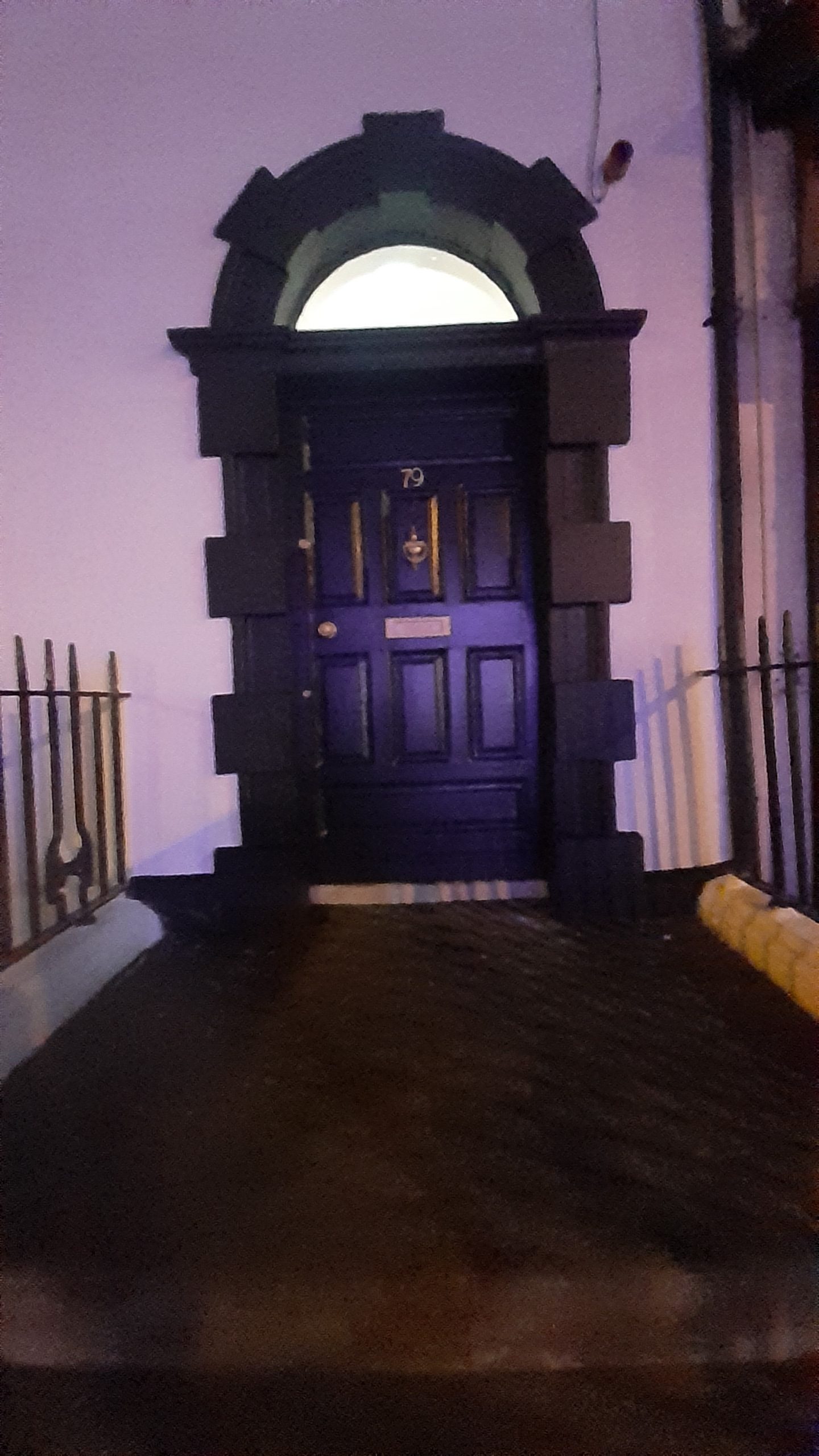
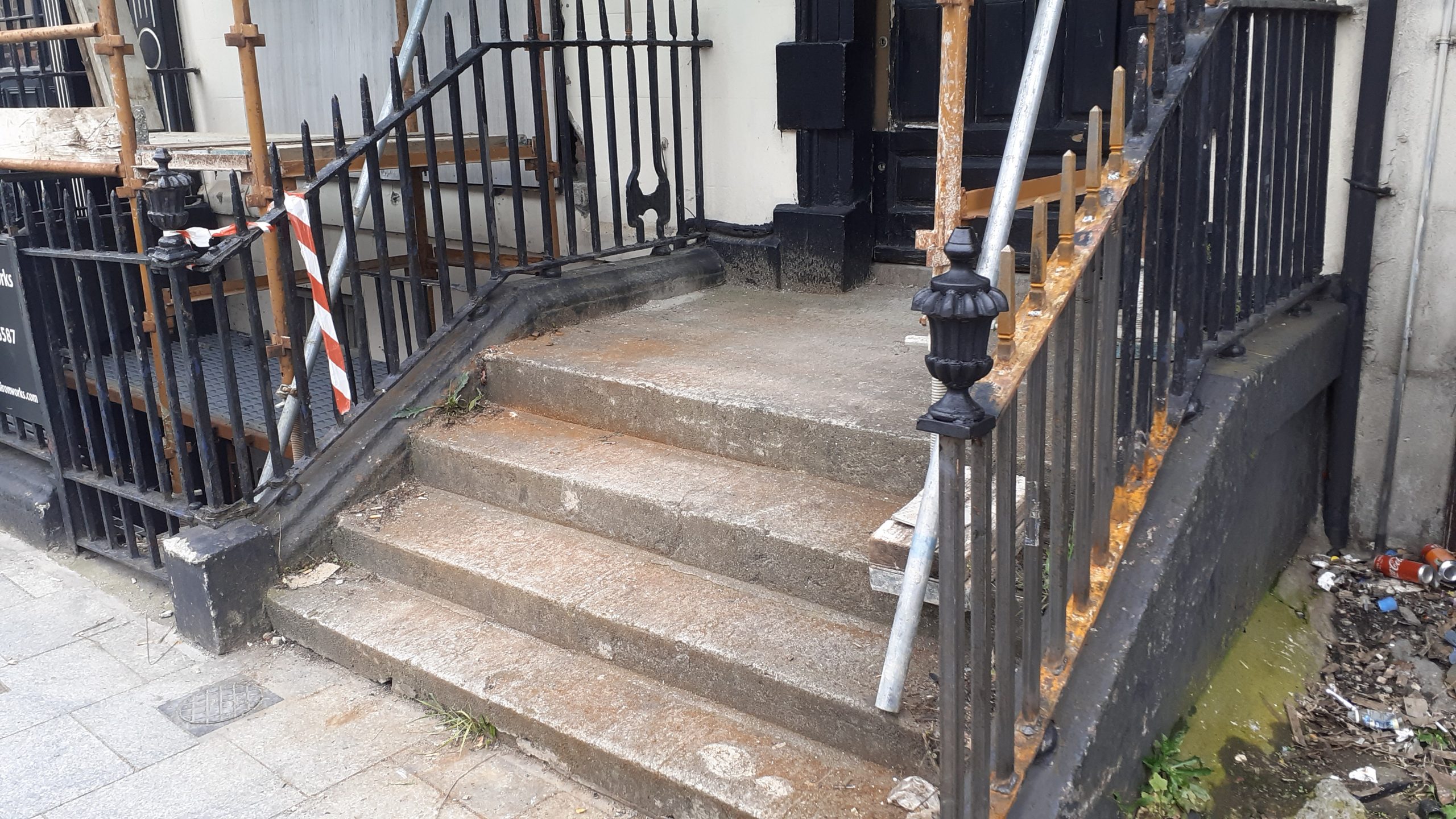
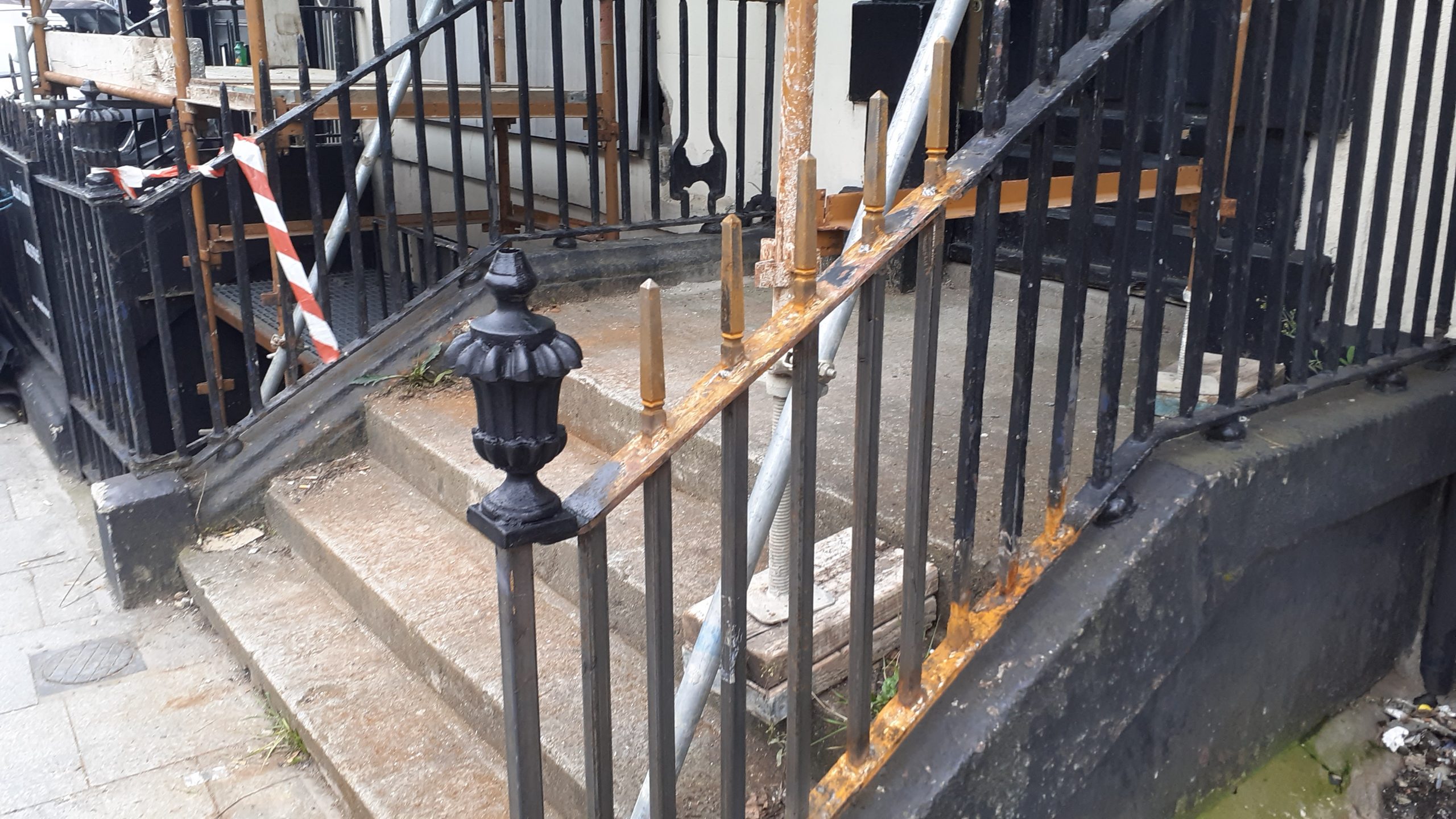
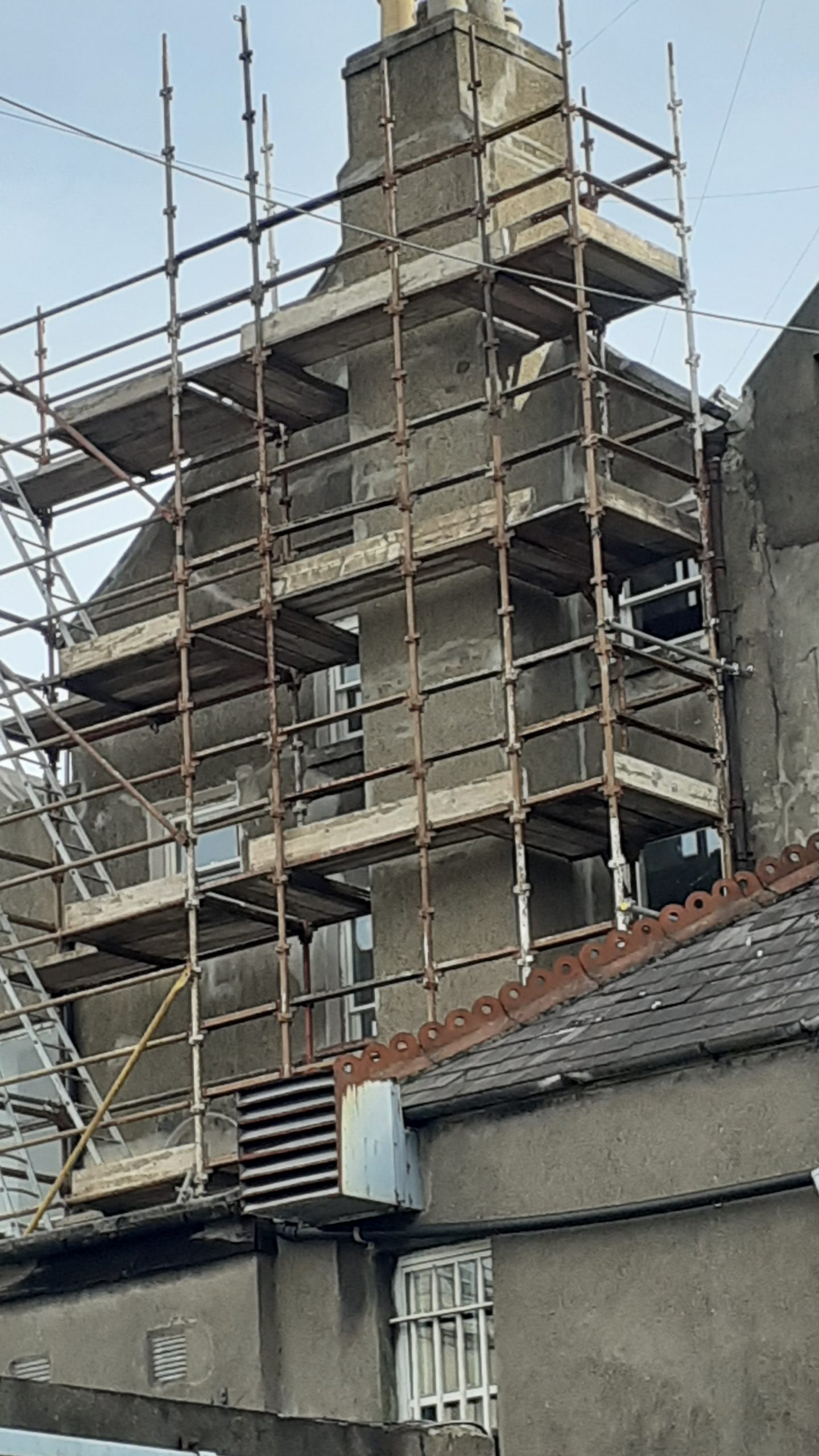
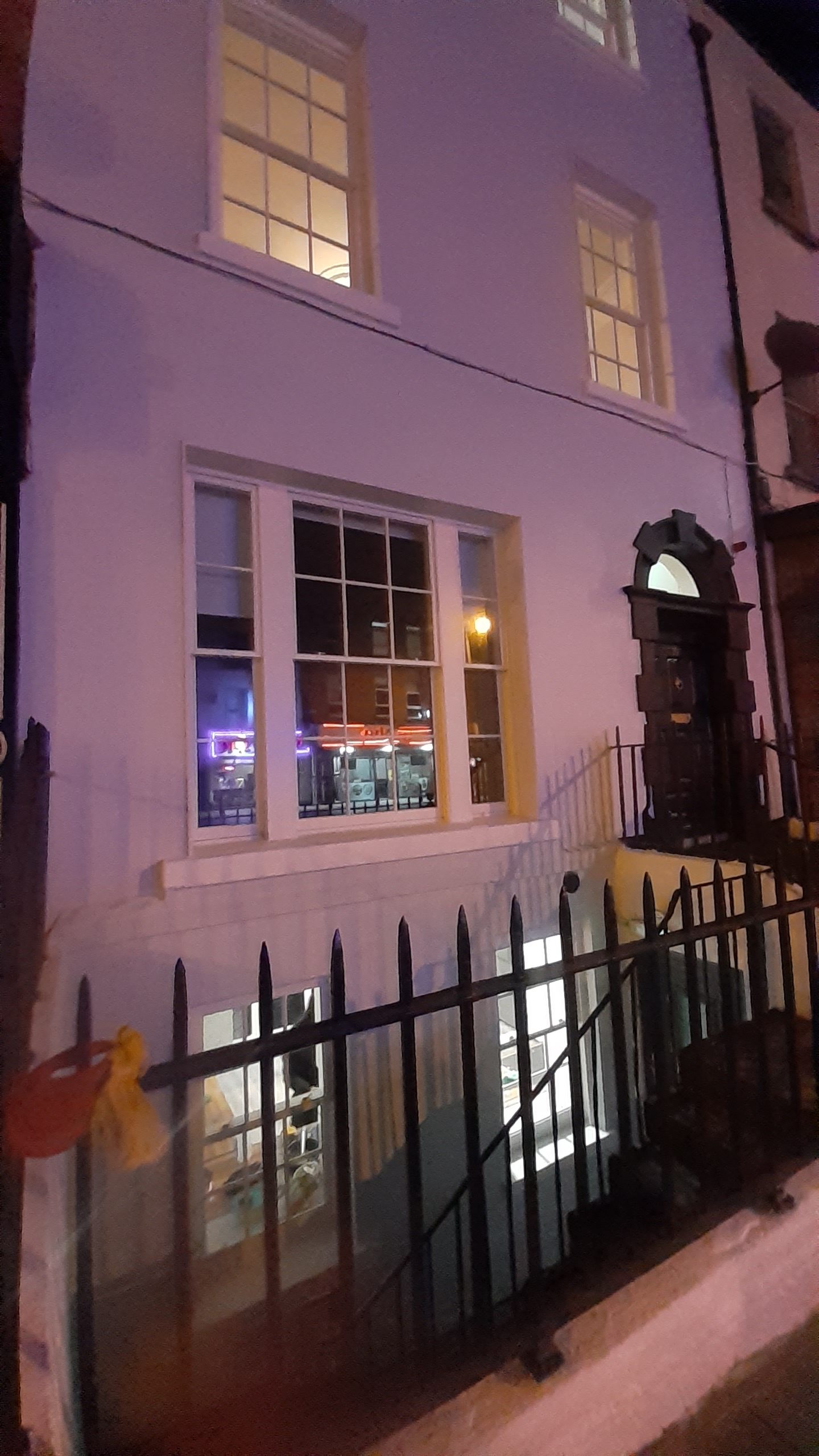
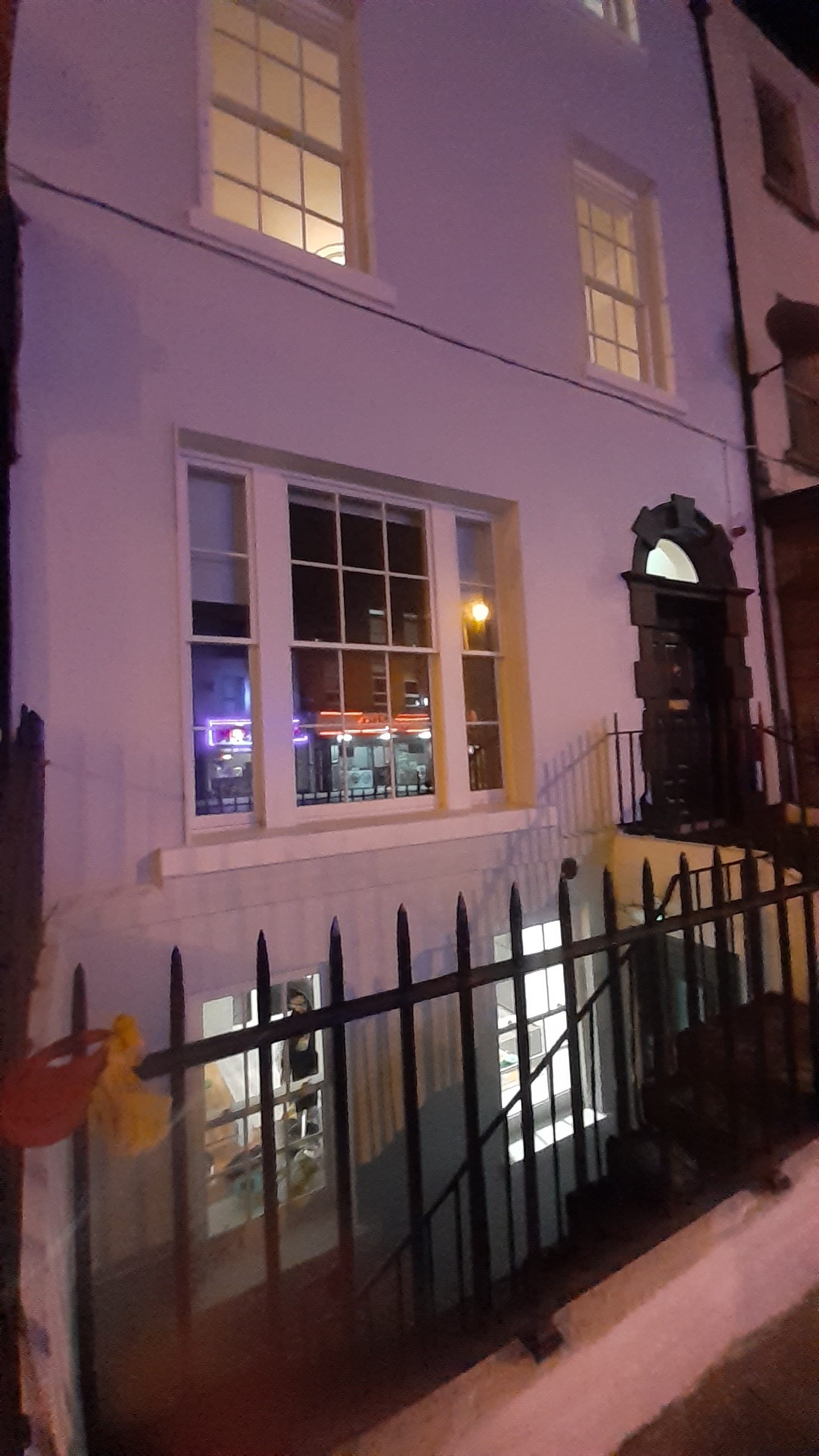
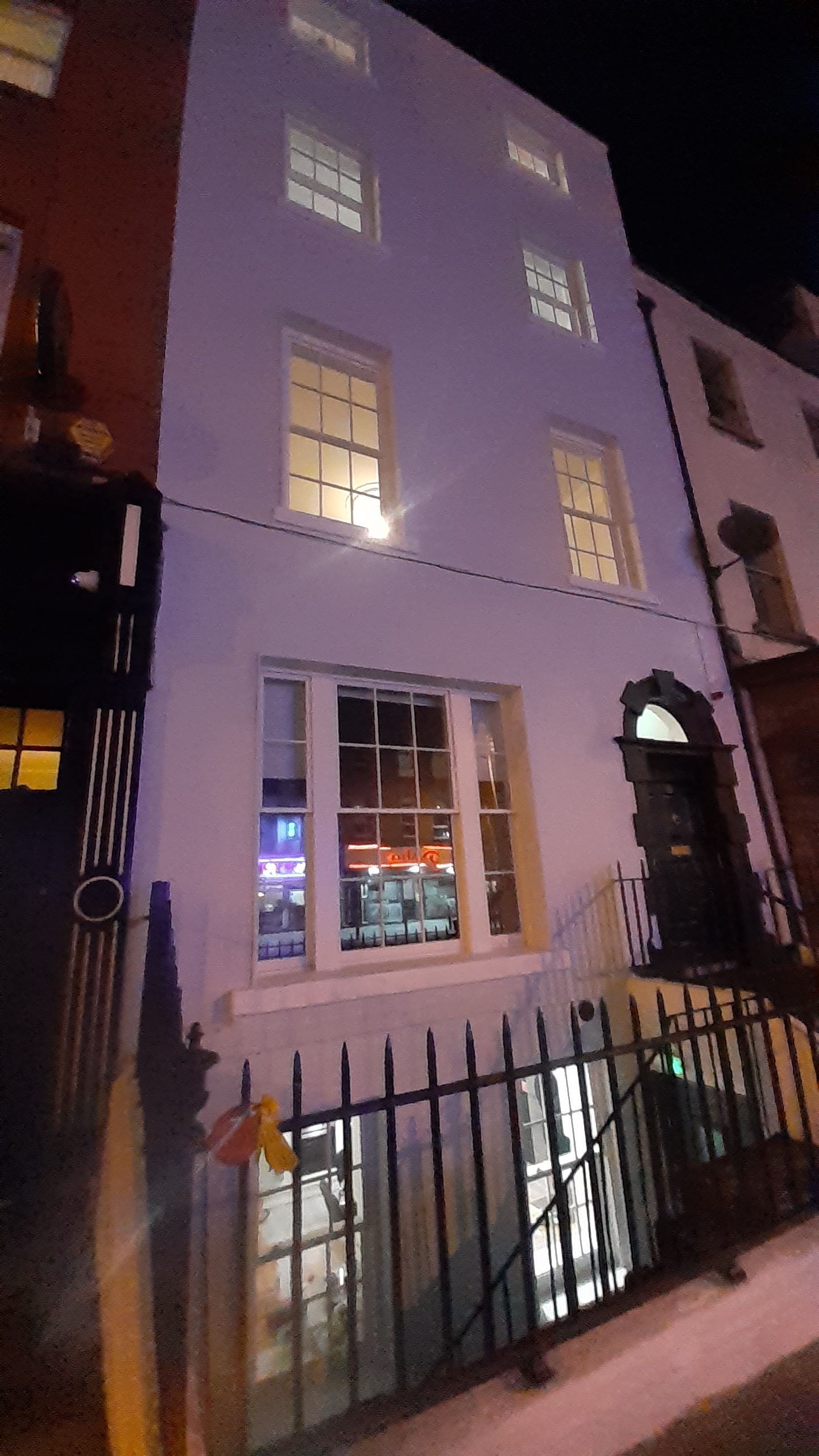
Reinstatment of existing Georgian dwellinghouse formally in offices and vacant, included full refurbishment and upgrade of this protected Structure.
It was our client’s intention to reinstate the original use of this protected structure as a residential house and to place it for long-term letting, from it dilapidated and vacant state.
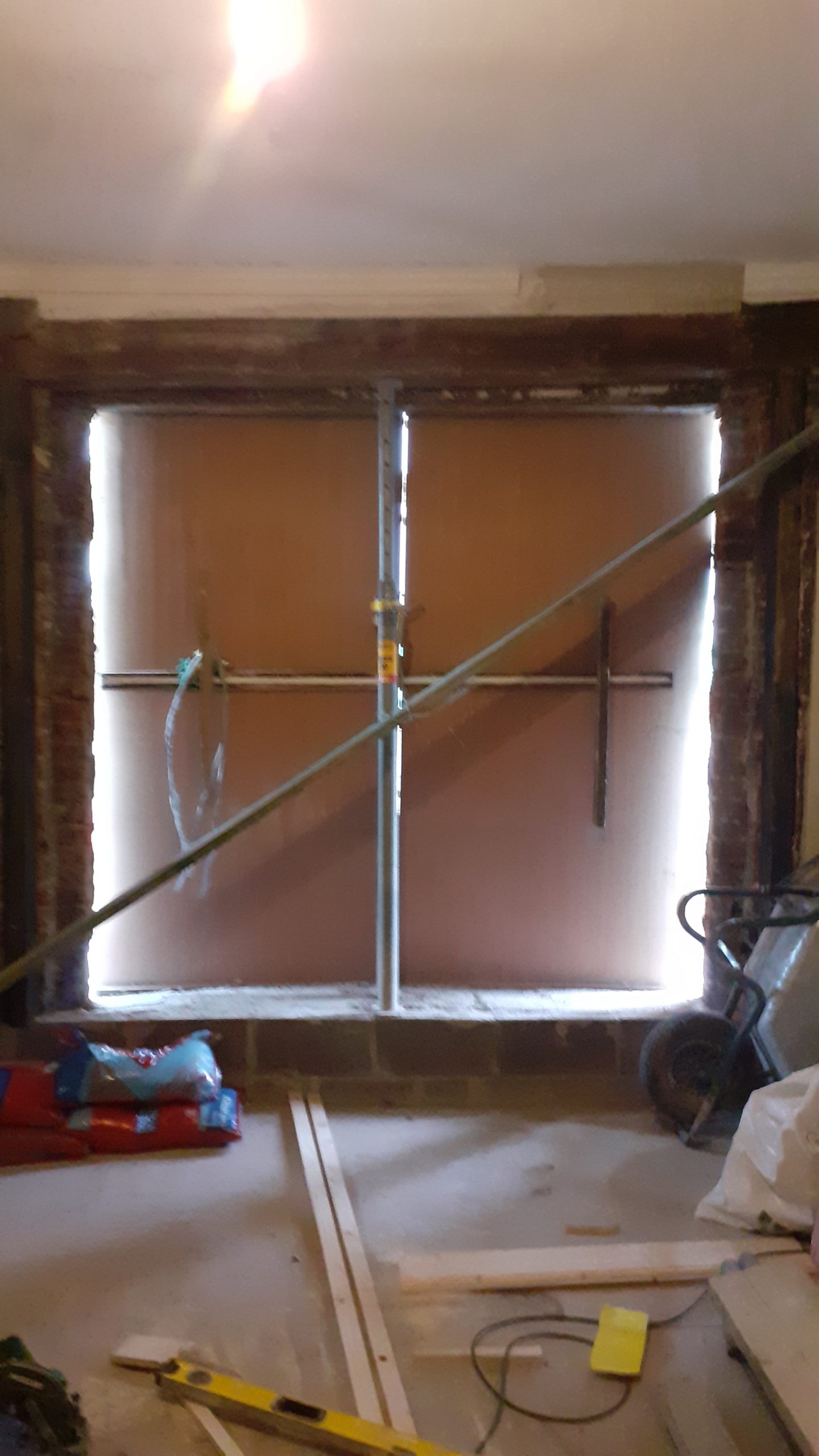
In fulfilment of the information requested, a Conservation Method Statement was prepared to fulfil the requirements of the conservation officer. Noting their recommendation to retain the existing front bay window to the ground floor, given the proposal to reinstate the original use of the building as a residential dwelling, we believed that this contemporary retail feature detracted from the integral layout of the principal front reception room and compromised our proposal to reinstate the building’s residential character. An alternative approach would be to remove the projecting bay and replace it with a flush window more in keeping with the building’s use and character. We ask that the Local Authority consider a proposal as an alternative to retention of the existing, projecting bay.
Following your recommendations and subsequent consultations with historic buildings consultants, David Slattery, Conservation Architects Ltd, our client had revised the original design proposal in an effort to minimise potential impacts upon the legibility of the layout of this protected structure. The additional bathroom suites originally proposed at ground floor level have been omitted entirely.
On the first-floor, ensuite bathrooms have been restricted to the rear of the property, leaving the layout of the reception room to the front unaltered at this level. Ensuite bathrooms are proposed to the front of the property on the second and third floors only.
We felt that this is a necessary adaptation to facilitate contemporary residential reuse and, since there are no surviving, original, decorative features in these rooms, aside from door architraves, the impact of this intervention on the existing, historic building fabric will be minimal and easily reversible.
On completion the final building is a great success and in fact has received a conservation grant for Dublin City Council. This vacant building is now occupied and back in residential use which is a great addition to this upcoming neighbourhood.